
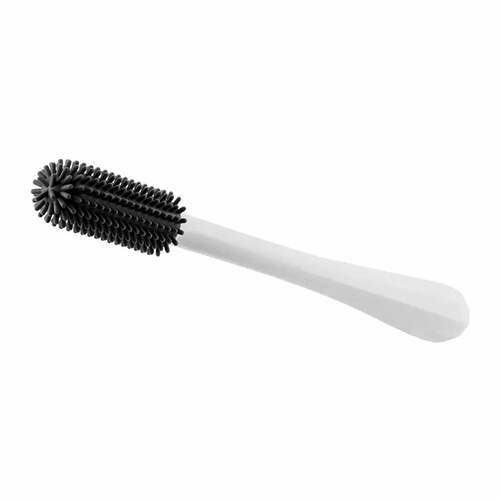

Male masturbation obviously has been around for much longer than modern sex toys. The objects created to reproduce or complete manual stimulation have also evolved over the available materials and cultural habits.
It is difficult to verify with certainty all the historical anecdotes that circulate on the first masturbators. Some stories are often repeated without solid sources. What is certain, on the other hand, is that the design of sex toys has changed profoundly with the arrival of rubber, flexible polymers, electric motors and then connected electronics.
From handicrafts to the first commercial products
Prior to industrialization, intimate accessories were made from locally available materials: leather, fabrics, natural materials or stuffed objects. Their design was rudimentary and hygiene far removed from current standards.
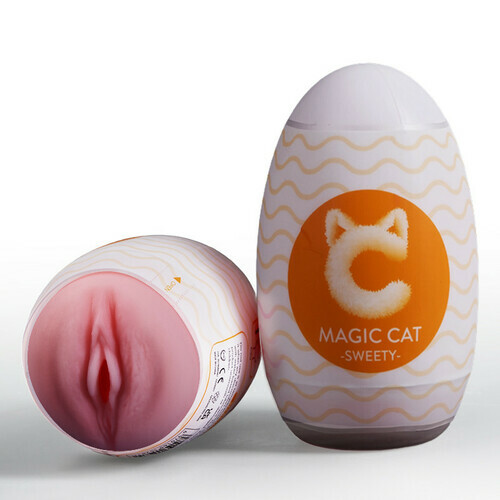
The stories of sailors using fabric or leather «travel companions» are part of the popular history of sexual objects. The term «Dutch Wife» has also been used in different contexts to refer to bodily substitutes, even though the versions told today sometimes mix historical facts and legends.
Japanese influence
Japan has played an important role in the development and popularization of modern masturbators. Male stimulation objects are described in different historical periods, then Japanese 20th century industry has largely contributed to developing the scabbards and cups that we know today.
The manufacturers have gradually worked on the internal textures, flexibility and shapes in order to offer more varied sensations than simple manual stimulation.
Rubber, soft resins and TPE
The arrival of synthetic materials marked a turning point. The products could become softer, more elastic and easier to mass-produce.
Masturbators then adopted increasingly detailed internal channels. TPE, very flexible, is now widely used in realistic models. Silicone is also present on some products, with different maintenance properties.
The arrival of the engines

Electrification added vibrations, rotations, back-and-forth movements and suction effects. Instead of controlling the movement by hand only, the user can now choose a speed or program.
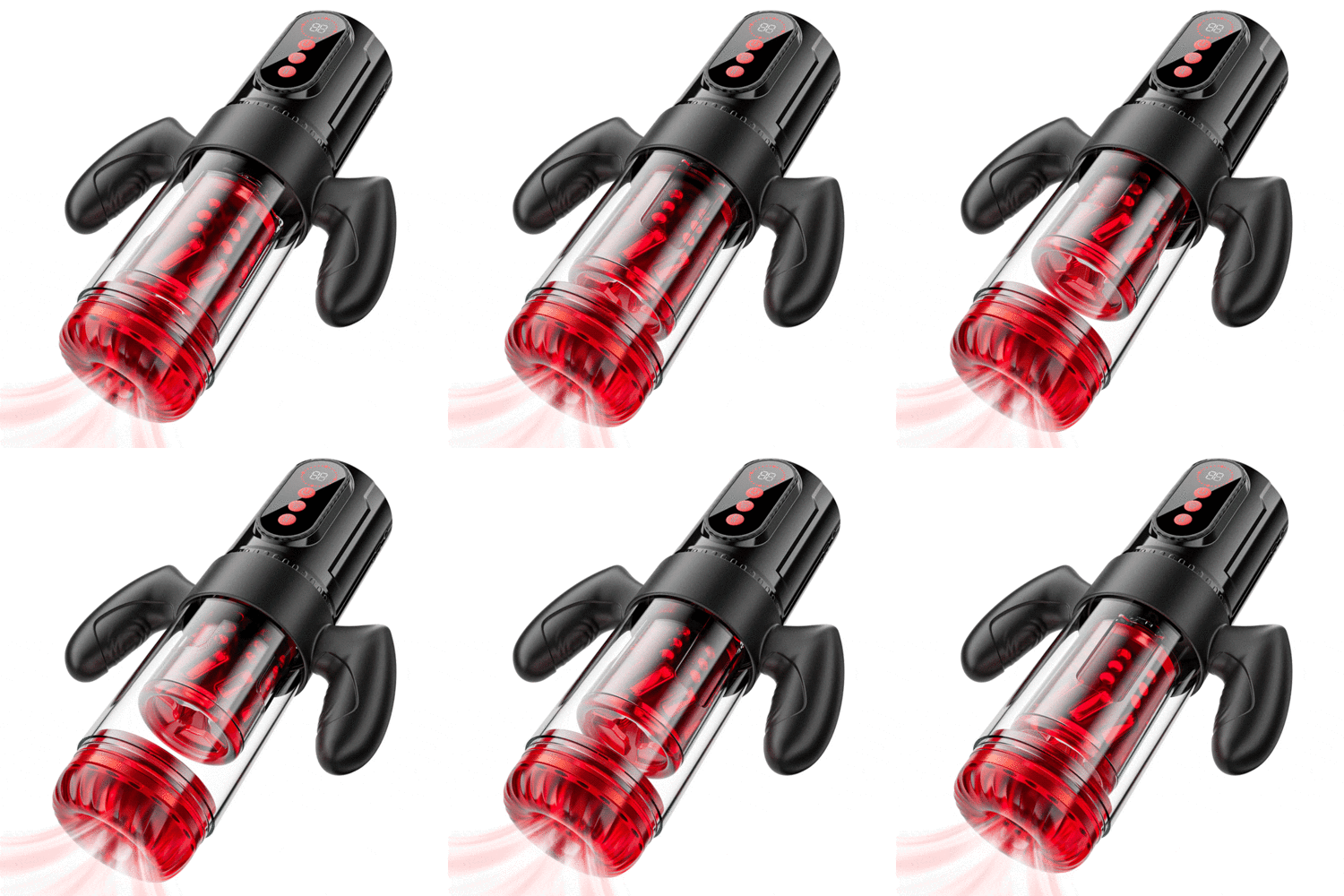
Automatic masturbators have also made it possible to design hands-free experiments, even though their weight, noise and maintenance are generally more important than those of a manual sheath.
Visual culture and realism
From the 1990s and 2000s, design took a growing place. Some products have adopted an aesthetic inspired by characters, while others have sought on the contrary an anatomical realism with casts of vulvas, mouths, buttocks or torsos.
This diversity shows above all that users do not all look for the same thing: some favor discretion, others the visual aspect or a very specific texture.
VR and digital synchronization
Recent models can be associated with video content, apps, or virtual reality devices. Some masturbators adjust their movements to compatible content or allow remote control by a partner.
This evolution does not replace manual models, which remain popular for their simplicity. It simply adds a new category for those looking for an interactive experience.
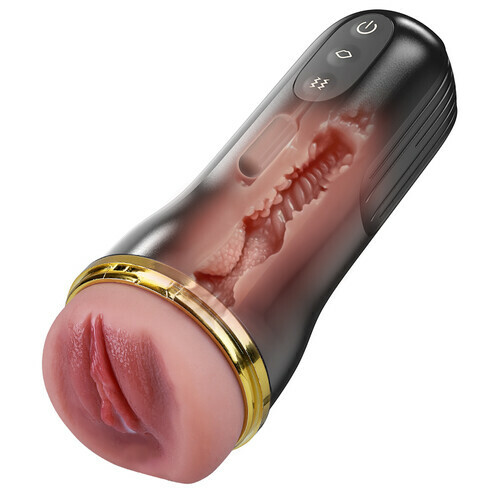 Captain – 5 suction 10 vibration simulated vaginal entry male masturbator49,99€View product
An evolution especially guided by the use
The story of the male masturbator is therefore less that of a unique invention than that of a succession of improvements: more comfortable materials, more detailed textures, better cleaning systems, motors, remote controls and digital connection.
Today, the choice ranges from a very simple small manual to a connected automated device. The best evolution remains the one that provides a concrete solution to the user: more comfort, simpler maintenance or stimulation that really corresponds to his preferences.
 French
  English (United States)
  German
  Spanish
  Portuguese
  Italian
  English (UK)