

preamble
TPE and silicone are two very common materials in sex toys, but they don't give the same feeling and don't require exactly the same maintenance. When looking for a masturbator, the right choice depends above all on the level of flexibility sought, on the realism, on the ease of cleaning and on how the product will be used.
The quality of a masturbator depends on the precise material used, its formulation, manufacture and quality control of the finished product.
A very cheap model can be simpler or smaller, while a more expensive product can incorporate a more complex engine, functions, or structure.
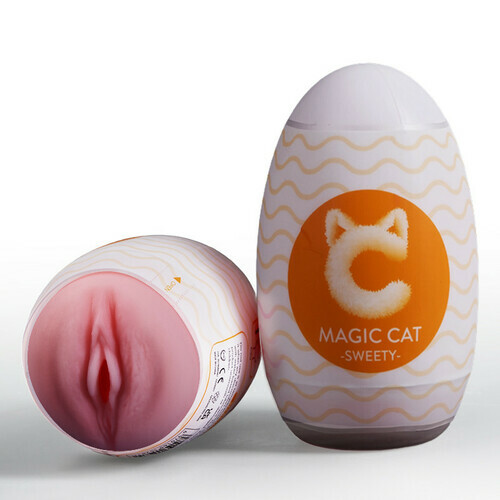
TPE and silicone: what difference to the touch?
TPE, or thermoplastic elastomer, can be formulated in a wide variety of flexibility levels. In masturbators, it is often chosen because it can give a very flexible and enveloping texture.
This flexibility allows the material to deform easily around the penis. For people looking for a soft feeling or a sheath that strongly matches the shape of the body, TPE is therefore often interesting.
Silicone can also be very flexible, but it generally has a different feeling: the surface is often more stable and less oily. Depending on the wording, it can more easily retain its shape over time.
However, there is no single hardness for TPE or silicone. Two products made in the same family of materials can have a very different touch. It is therefore better to look at the specific description of the model than to rely solely on the name of the material.

Which material offers the most realism?
Realism doesn't just depend on the material. The geometry of the channel, its thickness, the interior texture, the pressure exerted and the weight of the product also play an important role.
A very flexible TPE can give a more «blue» skin feeling, which explains its frequent use in Realistic masturbators, torsos and some sex dolls.
The silicone, on the other hand, can allow very clear details and a more stable structure. It is often used in products where shape accuracy and durability are sought.
If your priority is a very soft and enveloping feeling, a TPE model can be a good starting point. If you prefer a more stable, easier to maintain and often less sticky material, silicone may be more suitable.
Durability and resistance
The lifespan of a masturbator depends enormously on how it is used and maintained.

A very flexible TPE can tear if it is stretched out roughly, if it is flipped frequently when the manufacturer does not plan or if it is stored under pressure against other objects.
Good quality silicone generally withstands normal deformations, but it is not indestructible. A very thin piece can also tear if it is pulled excessively.
In both cases, avoid sharp objects, long nails and unnecessary stretching. A flat or in your box also allows you to limit deformations.
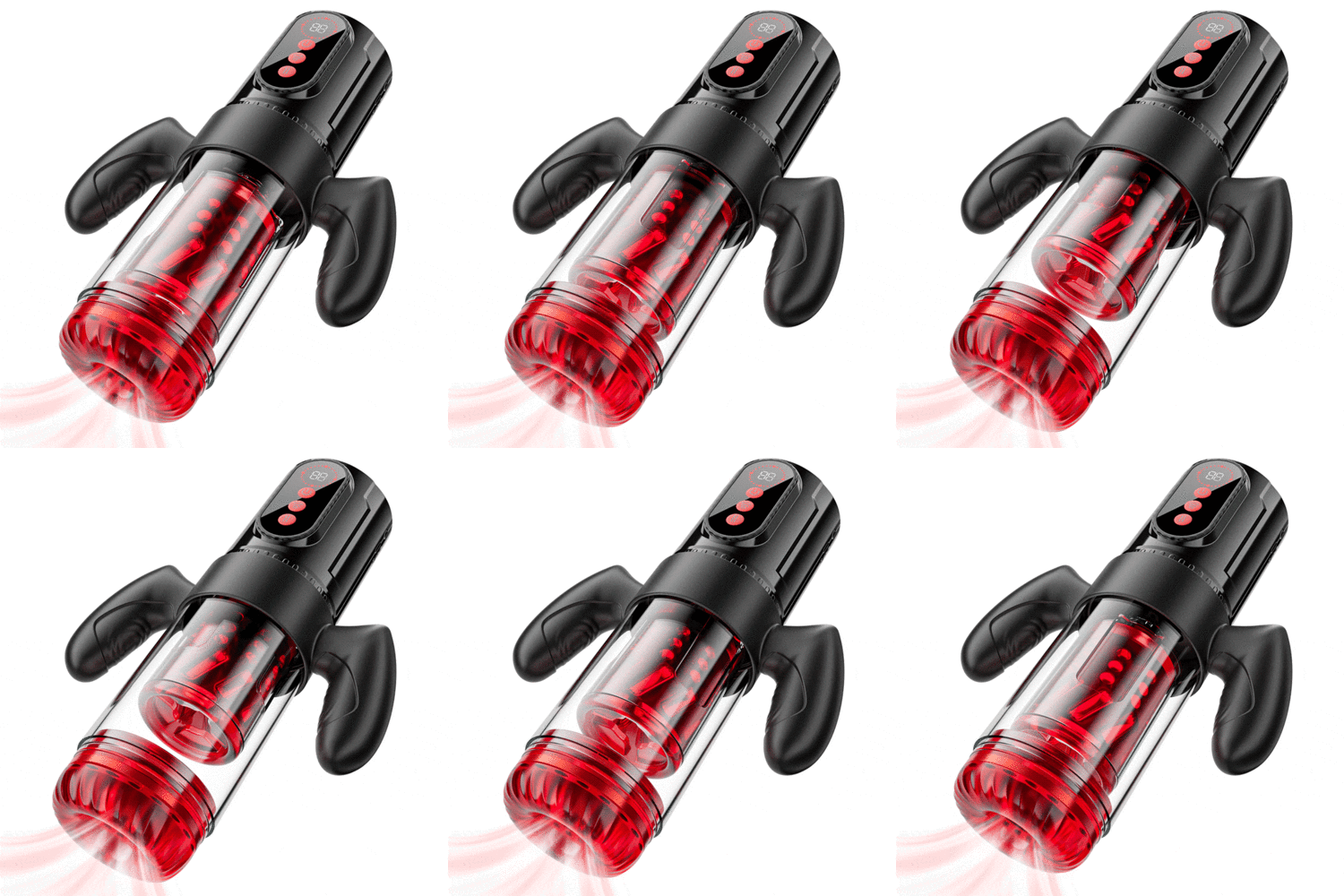
Maintenance: TPE often requires more attention
TPE is often more porous than silicone. This means that it may be more difficult to deeply clean and need to be dried thoroughly after each use.
Some TPE models become slightly sticky after washing. According to the manufacturer's instructions, a suitable maintenance powder can be used on the outer surface to regain a drier touch.
Non-porous silicone is generally easier to clean, but you still have to respect the product instructions, especially when it contains an engine or electronic components.
For both materials, let the channel dry completely before storage to limit odors and residual humidity.

Which lubricant to use?
A water-based lubricant is usually the easiest choice for a TPE and silicone masturbator.
With silicone products, the use of a silicone-based lubricant may sometimes be discouraged, as some formulations may interact with the material. If you want to use something other than a water-based lubricant, always check the manufacturer's recommendations.
Oils are not universally compatible either. They can damage some elastomers and often make cleaning more difficult.
How to recognize a good quality product?
Instead of looking for a special magic formula or a particular marketing mention, check for concrete things:
- clearly indicated material; ;
- a detailed product sheet; ;
- cleaning instructions; ;
- compatible lubricants; ;
- consistent dimensions and weight; ;
- An identifiable seller and an accessible after-sales service.

Upon receipt, the surface must be homogeneous and have no cracks, cutting edges or loose parts. A slight odor at the opening may exist depending on the material, but an extremely strong chemical odor or visible degradation should encourage not to use the product.
TPE or silicone: which one to choose?
Instead, choose a TPE masturbator if you are looking above all for a very soft material, a wraparound effect and a realistic feeling. It will simply be necessary to accept a sometimes more attentive interview.
Instead, choose a silicone model if you prefer a more stable, often easier to clean material and less likely to become sticky.
In both cases, the inner channel and product design remain at least as important as the material itself. A good masturbator is the one whose texture, size and pressure match your preferences.
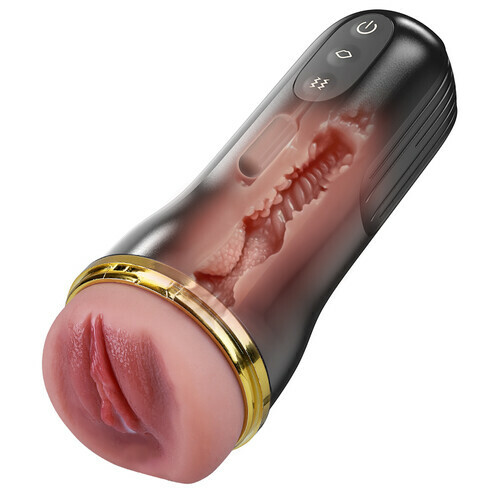 Captain – 5 suction 10 vibration simulated vaginal entry male masturbator49,99€View product
conclusion
TPE and silicone do not oppose as a «good» and «bad» material. They simply meet different needs.
TPE is often appreciated for its flexibility and realism, while silicone is distinguished by its stability and ease of maintenance. Before buying, look at the entire product: channel shape, weight, functions, maintenance and material. To structure the rest of the decision, also use our 7 questions to choose a masturbator. It is this combination that will really determine your experience.
 French
  English (United States)
  German
  Spanish
  Portuguese
  Italian
  English (UK)