

For many, BDSM immediately evokes images of films: handcuffs, whips, candles or strings. The reality is much wider and above all much more dependent on trust and communication.
A BDSM practice does not become safe because the accessory seems light or because we saw it in a scene. The limits, consent, techniques used and the possibility of stopping immediately are essential.
What do BDSM and SM mean?
The term BDSM includes several dimensions:
- B – Bondage : restriction or immobilization; ;
- D – Discipline / Dominance : rules, control or consensus power; ;
- S – Sadism : pleasure linked to inflicting certain agreed sensations or pains; ;
- M – Masochism : pleasure linked to receiving these sensations.
The «SM» therefore represents only part of this set. Some people only practice role-playing or verbal dominance without pain or bondage.
Why do some people like these practices?
Physical sensations

Intense stimulation, tension or controlled pain can alter body perception. Some people appreciate this mixture of sensations when it remains within the agreed limits.
Psychological letting go
A person accustomed to a lot of controlling his daily life may enjoy a role of submission temporarily. Conversely, others like to take a dominant role in a precisely negotiated framework.
Trust and privacy
BDSM often requires more explicit communication than a classic report. Defining what is allowed, regularly asking how the other feels and respecting an immediate stop can build trust between partners.
Frequent mistakes for beginners
start without discussion

Reproducing a scene directly seen in a film is risky. Before any practice, discuss desires, fears, prohibited areas and what should cause a stop.
push the other to go beyond their limits
A dominant partner never gets a general right over the other person. Consent can be withdrawn at any time, even if the practice had been accepted before.
Use an accessory without knowing its risks
A string can compress a nerve or circulation; A clamp can be too tight; A whip can cause injuries depending on the affected area.
Start with easy-to-remove accessories and learn how to use them before increasing the intensity.

Underestimate the impact of words
Verbal humiliation can be more difficult to experience than a physical sensation. Authorized and prohibited words therefore deserve to be discussed too.
The basics of security
An often used framework is based on ideas of practices safe, reasonable and consensual between adults. Other communities use executives like Rack, which focus more on understanding and accepting risks.
Whatever the term, the practical principles remain clear:
- adult participants; ;
- explicit consent; ;
- knowledge of risks; ;
- Real possibility of stopping; ;
- Absence of inability to consent related to alcohol or drugs.
Security word and color system

The green/orange/red system is easy to understand:
- green : everything is fine; ;
- orange : slow down, adjust or check; ;
- red : Stop immediately.
In some scenes, «no» or «stop» can be part of the game. In this case, a separate word avoids any ambiguity.
For a person gagged or unable to speak, also plan a simple non-verbal signal, for example dropping an object held in hand.
communication before and after
Before the scene, discuss allowed practices, body areas, intensity and potential health issues.

Afterwards, some people enjoy a period of’aftercare : water, blanket, calm, hug or discussion. Others just prefer to be alone for a few minutes. You have to ask what everyone needs rather than impose a ritual.

Bondage: pay attention to circulation and nerves
Do not squeeze a rope or handcuffs to the point of causing numbness, sharp pain, color change or cold in a limb.
Avoid the neck, positions that hinder breathing and suspensions without real training. Keep a suitable cutting tool nearby when using ropes that could become difficult to undo.
The main forms of play
- Light games : headband, soft handcuffs, spanking, role; ;
- Domination / Submission : orders, rules and consensus exchange of power; ;
- bondage : restriction with suitable accessories; ;
- Sensation games : moderate temperature, textures, vibration; ;
- Impact Play : Paddles or typing accessories used in suitable areas; ;
- consensus humiliation : only with very clearly established limits.
You don't need to practice all of these categories. Many people voluntarily stay in a light BDSM.
Sex toys often used in BDSM

Handcuffs and links
They limit movement. To begin, quick or velcro fasteners are easier to remove than complex bondage.
blindfold
Temporarily depriving sight can increase the attention to other sensations without immobilizing the body.
Paddles and whips
Start very gently and avoid fragile areas like the spine, kidney, neck or joints.

strings
Bondage with a rope requires specific knowledge. The nodes must be able to be released quickly and should not exert dangerous pressure.
Necklaces and gags
A decorative collar should never compromise breathing. The gags prevent you from speaking clearly: a non-verbal signal is therefore essential.
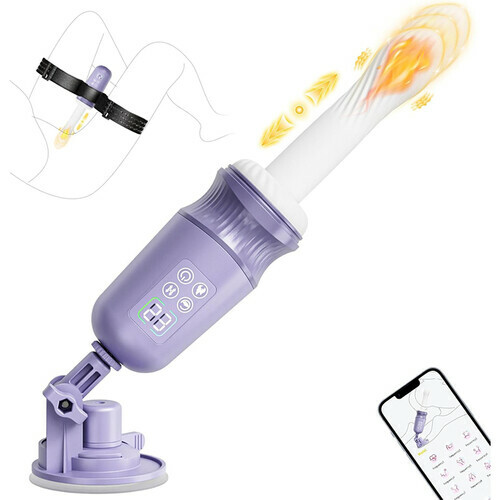
Vibrators and plugs
They can be associated with the control game, but an anal plug should always have a flared base and be used with enough lubricant.
Three questions to ask yourself before you start

Is this really my desire? Do not practice BDSM only to avoid disappointing a partner.
Can I speak freely about my limits? If you don't feel able to say «no» or «stop», the context is not safe enough.
Do we know the risks of accessories? Buying a sex toy does not automatically mean knowing how to use it.
conclusion
BDSM can take very soft or much more intense forms. What makes it acceptable is not the type of accessory but the quality of consent, communication and risk management.
Just start, choose easy-to-check accessories, check the other person's condition regularly and stop immediately when the agreed signal is given.
The pleasure should never depend on an unexpected injury or a limit crossed without agreement.
 French
  English (United States)
  German
  Spanish
  Portuguese
  Italian
  English (UK)