
Perineum rehabilitation: exercises and useful accessories
it Perineum rehabilitation Aims to improve the functioning of the pelvic floor, a set of muscles that supports the bladder, uterus and rectum. These muscles should be able to contract at the right time, but also relax. A painful or overly tense perineum does not necessarily need to be further reinforced.
Urinary leakage, feeling of gravity, pain during intercourse or difficulties after childbirth justify an assessment with a midwife, a doctor or a specialized physiotherapist. An accessory purchased alone does not allow to determine the cause of the symptom.
How to recognize a contraction of the pelvic floor?
Imagine that you are holding a gas and gently lifting the muscles around the anus and vagina. The desired sensation is an internal movement of closure and elevation. The butt, thighs and abdominals should remain as relaxed as possible, and breathing should continue.
Interrupting the urine stream can help identify the muscles once, but should not become regular exercise: this can disrupt bladder emptying.
A program of departure without accessory
- Sit or lie down in a comfortable position.
- Gently contract for three to five seconds without blocking breathing.
- Release completely for at least the same duration.
- Repeat up to eight times, then do some brief contractions.
- Stop if pain, heaviness or difficulty releasing appears.
Quality matters more than maximum force. When the gesture is mastered, the professional can change the duration, position and number of repetitions. An improvement often takes several weeks of regular practice.
In which cases can an accessory be useful?
Geisha balls and vaginal cones
They add resistance and can provide sensory feedback. They are not suitable for all situations, including in case of pain, infection, unassessed prolapse, postoperative period or difficulty in relaxing the perineum. The heaviest weight is not a sign of better training.
Biofeedback probes
Biofeedback displays muscle activity to help understand contraction and relaxation. Its interest depends on the quality of the sensor, program and interpretation. A consumer device does not replace a clinical assessment.
electrostimulation
Electrostimulation can be proposed in certain indications when a voluntary contraction is difficult. It has contraindications and should ideally be recommended by a professional. Do not use a device during pregnancy, after recent surgery or in the presence of an implanted medical device without a suitable notice.
What should make you stop
- Pain or burn during or after exercise; ;
- increased pelvic gravity or leaks; ;
- bleeding, unusual discharge or suspected infection; ;
- Impossibility of relaxing the muscles after contraction; ;
- No improvement after several weeks despite correct practice.
Sexuality and perineum: not confuse pleasure and rehabilitation
Some intimate accessories stimulate the pelvic area, but a pleasant vibration does not prove that the muscle is working properly. A vibrating ring or sex toy can be used for fun if you have no contraindication; It should not be presented as a medical device. To limit friction, choose a Material compatible lubricant and follow the rules of Sextoy Cleaning.
Hygiene of an intravaginal accessory
Reserve the accessory for one person, clean it before and after each session according to the instructions, then let it dry completely before storing it. A cracked, sticky or impossible to clean surface should lead to replacement. Do not use an accessory on an irritated mucosa and do not share it without proper protection. In case of an ongoing infection, ask when to resume the exercises with the professional who follows you.
When to request a specialized assessment?
Consult in case of persistent leaks, feeling of ball, pelvic pain, constipation with repeated flare-ups, difficulties after childbirth or pelvic surgery. A professional will check the strength, endurance, coordination and above all the ability to relax before advising an accessory.
What products to watch for perineum rehabilitation: useful exercises and accessories?
I link the board to specific products, because that's where the choice becomes useful. For rehabilitation of the perineum: useful exercises and accessories, I would first look at the real use: what the product should simplify, the level of control it leaves you, then maintenance after use.
The choice to open first: Vibrant Geisha Balls — 10 Modes
Vibrating Geisha Balls — 10 Modes Is to look at if you are looking for a clear but easy to dose feel. Price displayed: €19.99. Before buying, I would especially check the dimensions visible on the sheet, the material, the ease of cleaning and if the product really corresponds to your rhythm.
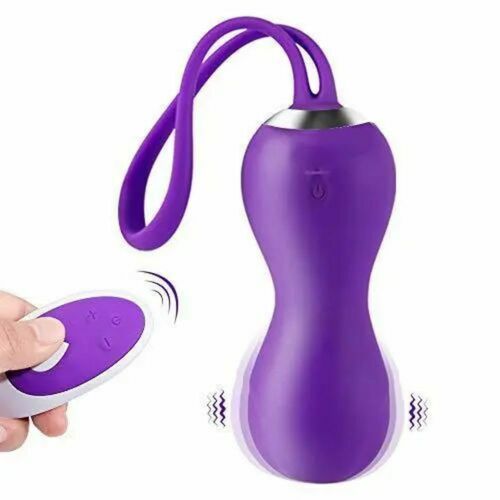 Vibrating Geisha Balls — 10 Modes19,99€more
The option to compare: Hot pink — 12 vibration vibrating egg
Hot pink — 12 vibration vibrating egg is to be compared if you want more versatility without multiplying the accessories. Price displayed: €39.99. Before buying, I would especially check the dimensions visible on the sheet, the material, the ease of cleaning and if the product really corresponds to your rhythm.
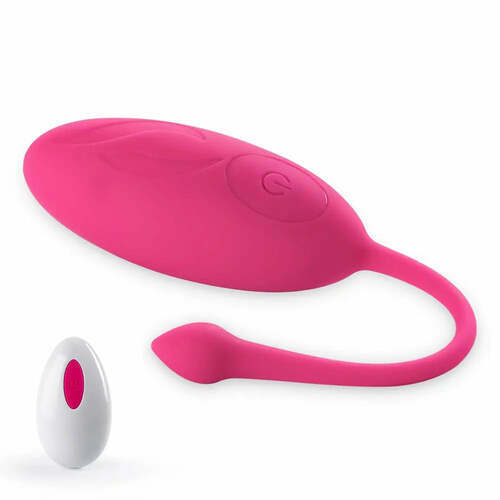 Hot pink — 12 vibration vibrating egg39,99€more
The alternative to keep: Pink clitoral stimulator — 7 suction modes
Pink clitoral stimulator — 7 suction modes Is to be kept if your priority is comfort, softness and a simple handling. Price displayed: €39.99. Before buying, I would especially check the dimensions visible on the sheet, the material, the ease of cleaning and if the product really corresponds to your rhythm.
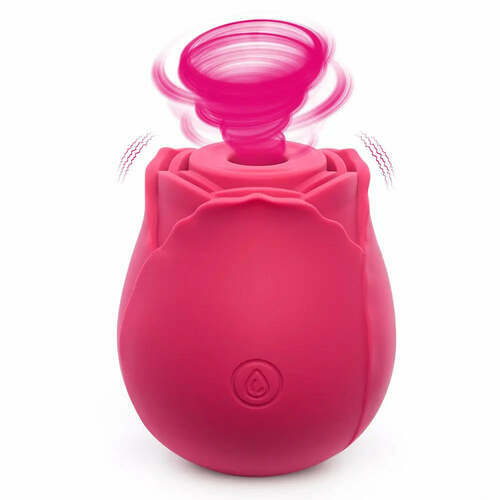 Pink clitoral stimulator — 7 suction modes39,99€more
My purchase advice
If you are hesitating, first open the first product sheet and compare it with the second. Do not just choose the most attractive image: choose the product that adjusts the concrete point of the item, with easy to repeat use and simple maintenance.
 French
  English (United States)
  German
  Spanish
  Portuguese
  Italian
  English (UK)