

The vagina has a complex natural balance. Its flora, composed in particular of lactobacilli, contributes to maintaining an acidic environment that limits the proliferation of many unwanted microorganisms.
This balance can vary with hormones, sex, certain medications or infections. The objective is not to seek to «sterilize» the intimate area, but on the contrary to respect its natural functioning and to avoid unnecessary aggressive gestures.
Sex, friction and hygiene
There is no specific number of sexual intercourse per week beyond which the vagina would automatically become unbalanced. The comfortable frequency depends on each person.
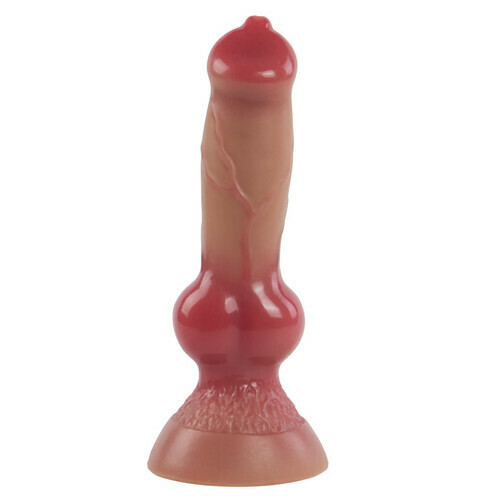
On the other hand, repeated friction can cause irritation or micro-lesions when the lubrication is insufficient. If penetration becomes dry or uncomfortable, slowing down and adding a compatible lubricant is more useful than continuing despite the pain.
Condom use reduces the risk of many sexually transmitted infections. With sex toys, hygiene is also important: clean them according to their material and instructions, and use appropriate protection when a toy is shared between partners or passes from one orifice to another.
Sex toys with damaged, porous or difficult to clean surfaces can retain more residue. Quality silicone, glass or stainless steel are generally easier to maintain when designed for intimate use.
Avoid repeated douching

The vagina is self-cleaning. For daily hygiene, it is generally not necessary to wash the inside of the vagina with an antiseptic or scented solution.
Douches can alter flora and natural pH and are associated with an increased risk of imbalances such as bacterial vaginosis. The vulva, i.e. the outer part, can be cleaned gently with lukewarm water; If you are using a product, choose something soft and non-irritating.
A new smell, unusual losses, itching or burning are not a reason to multiply internal washes. These are rather signs that justify looking for the cause.
Do not use drugs at random
Not all vaginal irritations are fungal infections. Bacterial vaginosis, sexually transmitted infection, dermatitis or a reaction to a product can cause similar symptoms.
Use eggs, antibiotics or antifungals without knowing what is being treated can delay the correct diagnosis and sometimes further disturb the flora. If the symptoms are new, important, recurrent or with pain, it is better to seek advice from a health professional.

Sugar, diabetes and candidiasis: nuance

We sometimes read that eating sweets directly causes vaginal mycosis. It's way too simplified. Occasional sugar consumption does not automatically trigger candidiasis.
On the other hand, unbalanced diabetes can promote recurrent candidiasis. If mycosis frequently returns, a professional may look for different risk factors, including diabetes, certain antibiotic treatments, pregnancy or hormonal factors.
Candidiasis often causes itching, irritation and thick losses, but the appearance of losses is not always enough to make a diagnosis. A strong «fish» smell, for example, directs more towards other causes and deserves an appropriate evaluation.
Underwear and humidity
Clothes that are very tight or that sustain the wetland for a long time can promote irritation in some people. After sport or swimming, changing wet clothes improves comfort.
It is not necessary to systematically disinfect underwear or expose them to the sun to have good hygiene. A wash-friendly textile wash and complete drying are usually sufficient.

When to consult?
Check if you are experiencing pelvic pain, unexplained bleeding, fever, persistent bad smell, severe itching, or unusual loss that does not disappear.
To preserve vaginal balance, the principles are ultimately simple: avoid unnecessary internal washing, reduce painful friction, properly maintain sex toys, do not self-medicate randomly and seek advice when symptoms persist. The vagina does not need to be «purified»: it needs to be respected above all its natural balance.
A few simple daily actions
After going to the toilet, wipe from front to back to limit the transfer of intestinal bacteria to the vulva. Also avoid intimate deodorants, very fragrant wipes and products that can irritate the mucous membranes.

During periods, change protections, tampons or menstrual cups according to the product recommendations and your needs. If you are using a reusable cut or sex toy, follow the manufacturer's instructions for cleaning and disinfection.
Finally, vaginal dryness does not necessarily mean a lack of desire. It can be related to hormones, stress, certain medications or menopause. A suitable lubricant can immediately improve comfort; If the drought becomes persistent or painful, there are also medical solutions to discuss with a professional.
 French
  English (United States)
  German
  Spanish
  Portuguese
  Italian
  English (UK)