

« I haven't had a long-standing relationship: is it bad for my body? or »Is my vagina going to get tighter?« are frequent questions. The essential answer is reassuring: not having sexual intercourse for weeks, months or longer does not damage the body or automatically cause a sexual problem to appear.
Some sensations may be different when resuming, especially after menopause or when apprehension is important, but abstinence is not in itself a disease.
Does the vagina get tighter when you have no more intercourse?
No, the vagina does not «close» because it is not penetrated. Its tone depends mainly on the muscles of the pelvic floor, the age, the hormones, any pregnancy and possible childbirth, as well as on certain health conditions.
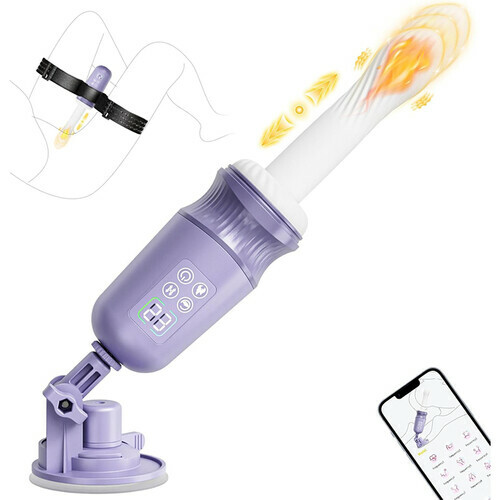
In a young woman without any particular problem, a long break does not generally change vaginal elasticity. During recovery, a tension may nevertheless appear if the excitement is insufficient, if the person is anxious or if the lubrication is missing. Taking more time and gradually resumes comfortably.

After menopause, the situation is different
The drop in estrogen around and after menopause can make vaginal tissues thinner, drier or less elastic. These changes are related to hormones, not to having a sex life or not.
In case of persistent dryness, burns, bleeding or pain, a professional may offer lubricants, vaginal moisturizers or appropriate treatments.

Can we have more trouble relaxing when resuming?
Yes, but that doesn't mean the vagina has «sheltered». After a long time without penetration, the gestures may simply seem less familiar. If you anticipate pain or put pressure on yourself, the pelvic floor muscles may contract unintentionally.
Resuming slowly helps more than trying to «force» the body to get used to it. Start with external caresses, wait for sufficient excitement and choose a position in which you easily control the depth.

If the penetration remains painful despite a progressive approach, consult rather than consider the pain as a must.
Does the desire decrease when you don't have sex?
Sexual desire varies greatly: in some people it decreases for a period without activity, in others it increases. Stress, sleep, relationship, health, hormones and drugs also influence libido. A drop in interest is therefore not automatically caused by abstinence. Masturbation can help explore her feelings if you feel like it, but it is not an obligation.

Is it harder to reach orgasm after a long break?

Not necessarily. Some people need a time to rehab because they feel less relaxed or because they have forgotten which stimuli they like most. Others immediately regain their habits.
Orgasm depends on excitement, stimulation, mental context and many personal factors. A long period without sex does not automatically cause an orgasm disorder.
Rather than aiming for a result immediately, rediscover the sensations gradually. A small external vibrator or manual masturbation can also help explore what is nice today, as preferences may change over time.
And the mood?

A pleasant sexual relationship can promote relaxation and proximity, but the absence of sex does not necessarily lead to anxiety or bad mood. Well-being also depends on sleep, social relationships and many other dimensions.
Is a regular sex life «better for your health»?
It can be positive when desired, comfortable and consensual. It can bring pleasure, light physical activity and strengthen proximity in a couple. But no woman needs to have sex at a given frequency to keep her vagina or body healthy.

Sexuality is also not a substitute for physical exercise: energy expenditure varies greatly and the spectacular figures often cited are not very useful.
How to resume after a long period?
- Take the time to rebuild the excitement before penetration.
- Use lubricant if necessary.
- Choose a position that controls the angle and depth.
- Stop if the pain appears instead of forcefully overtaking it.
- Talk with your partner about your pace and apprehensions.

If you are without a partner, you can also explore your body alone if you feel like it. The important thing is not to «stay active» at all costs, but to preserve a comfortable relationship with your sexuality.

to remember
A long period without sex does not make the vagina abnormally tight and does not damage the body. The recovery may take a little more time, especially in the event of drought or anxiety, and hormonal changes in menopause may require specific care.
You can have a regular, occasional sex life or no sexual activity for a while: the right frequency is the one that corresponds to your desires, your comfort and your health.
 French
  English (United States)
  German
  Spanish
  Portuguese
  Italian
  English (UK)