

Masturbation consists of voluntarily stimulating one's own erogenous zones, most often the genitals, to obtain sexual pleasure. It can be practiced alone or in the presence of a partner in the context of a shared activity.
Long surrounded by taboos, it is now considered a normal expression of sexuality when it is chosen and does not cause a problem in daily life.
Why do we masturbate?
The reasons are numerous: sexual desire, curiosity, relaxation, boredom, want to know your body better or simply seeking pleasure.
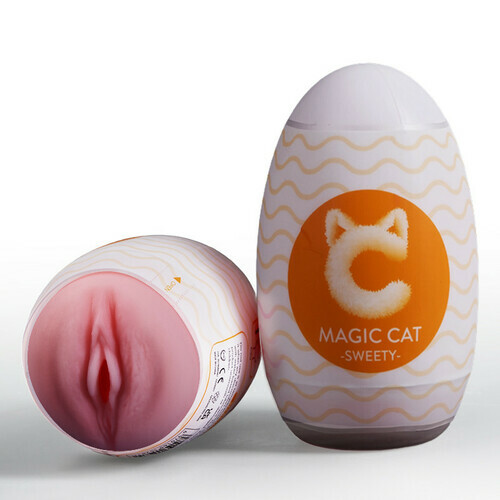
The frequency varies according to the people and the periods of life. Stress, hormones, couple relationship, sleep and health can all change the urge to masturbate.
What can be the benefits?
Masturbation allows you to explore the sensations you love and to better understand the rhythm, pressure or areas that provide pleasure.
After an orgasm, some people feel relaxed and find it easier to fall asleep. Sexual activity can also temporarily improve mood thanks to neurochemical reactions related to excitement and orgasm.
It also has the advantage of not exposing to pregnancy or sexually transmitted infection when practiced alone with clean objects.
Are there any disadvantages?
Masturbation itself is not dangerous, but too strong or too long stimulation can cause irritation, small abrasion or temporarily reduced sensitivity.
Another problem may appear when it becomes compulsive: for example if a person regularly cancels activities, lack of sleep or can no longer stop despite the desire to reduce.
Guilt or anxiety can also accompany masturbation in people who have grown up with very negative messages about sexuality. In this case, the problem comes more from the distress felt than from the act itself.
Does masturbation reduce sexual sensitivity?
It does not permanently destroy sensitivity. On the other hand, always using very strong pressure or an extremely specific technique can temporarily accustom the body to this type of stimulation.
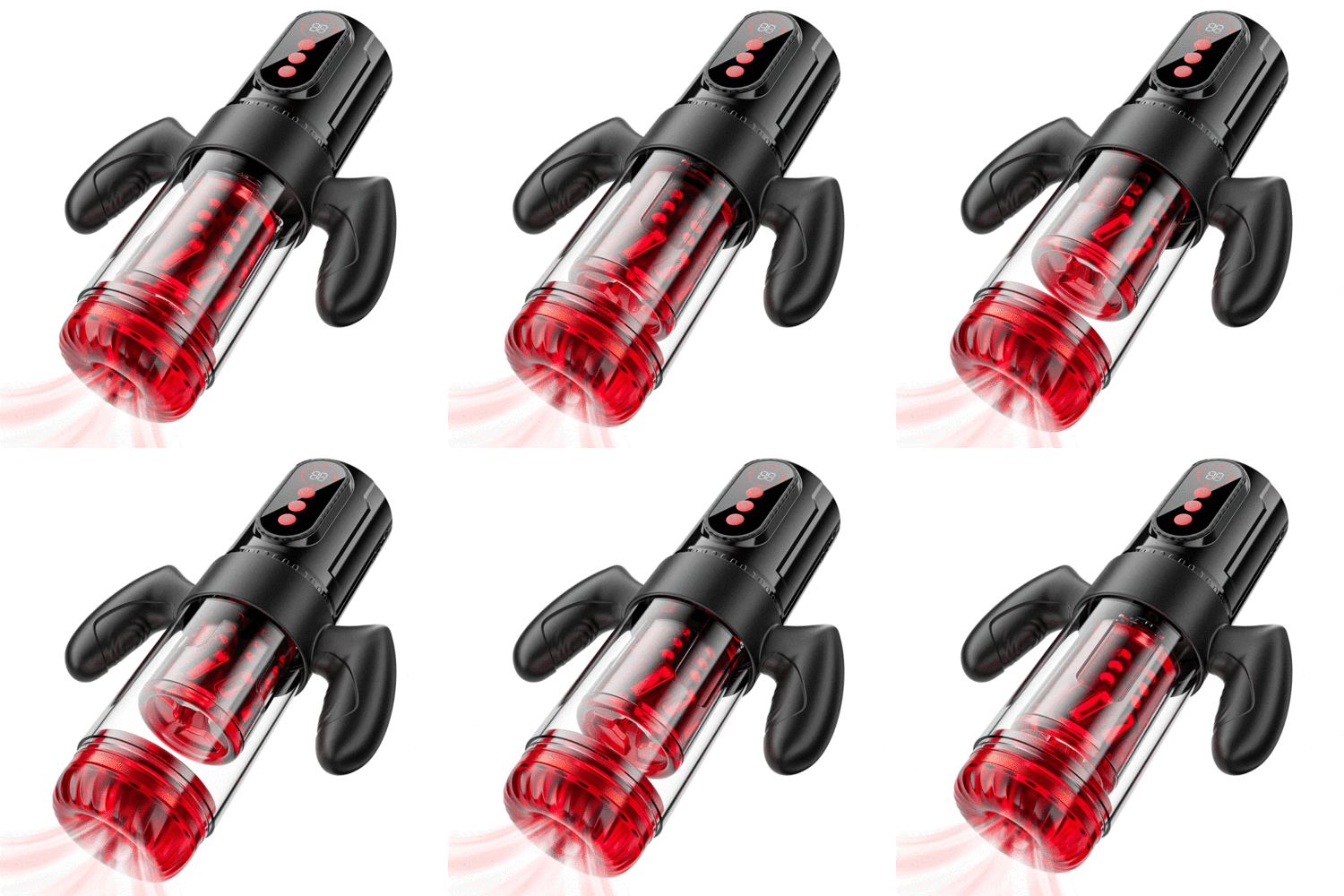
If relationships with a partner seem less stimulating, varying the grip, reducing pressure or pausing can help. A sex toy with several textures can also allow you to explore other sensations.
Does she lose weight?
No. Masturbation spends a little energy like any light physical activity, but not enough to be a weight loss method.
It can participate in a relaxation or well-being routine, but it does not replace physical activity or diet when a weight goal exists.
Should it be limited to its frequency?
There is no mandatory number like «two to four times a week». Some masturbates more often, others rarely, and both can be perfectly normal.
The right landmark is the impact on your body and your life: absence of pain, the possibility of choosing when you do it and no significant interference with your responsibilities or your relationships.
If you want to reduce
If you just want to masturbate less often, identify the moments when the gesture is automatic: boredom, stress, use of pornography or difficulty sleeping.
Replacing some of these moments with sport, outing, social activity or hobby can help. There is no need to isolate yourself further or consider sexual desire as something shameful.
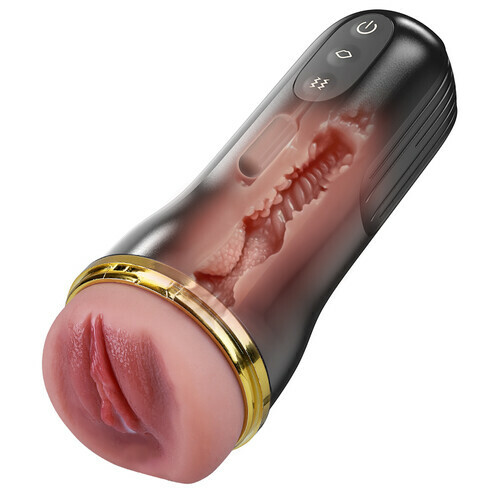 Captain – 5 suction 10 vibration simulated vaginal entry male masturbator49,99€View the product
If you actually lose control, a practice hurts you, or it strongly interferes with your life, a health professional or a sexologist can help you understand behavior without judgment.
Masturbation is therefore normal practice. Above all, it becomes a problem when it injures the body or takes a place that you no longer want to give it.
 French
  English (United States)
  German
  Spanish
  Portuguese
  Italian
  English (UK)